



Spring makes a lot of people get a little too confident.
This is one of the best seasons to get out. A warm trailhead can make it feel like winter is over, but muddy trails, leftover snow, shifting weather, and rough access roads can change the day fast. That’s why early-season outings call for better prep, not less.
But this isn’t a giant packing manifesto. This is a practical spring gear checklist to run before your first trip of the season.
1. Start With the Stuff You Ignored All Winter

Before you buy anything, check what you already own.
Pull out your daypack and look for the usual weak spots: dead batteries, a lighter that won’t spark, a half-stocked first aid kit, worn socks, cracked water bottles, and a rain shell that no longer keeps rain out. Spring is not the time to realize your gear only mostly works.
If boots are part of your setup, inspect the tread. Slick soles, wet ground, and loose terrain are a bad combination. Waterproofing can help, but dry socks and dependable traction matter more.
Read more: National Park Service: Trip Planning Guide
2. Spring Weather Lies

A warm trailhead does not mean a warm ridge, a dry afternoon, or a safe evening.
The better move is simple: a moisture-wicking base layer, an insulating mid-layer, and a waterproof outer layer. That setup gives you room to adjust when temperatures drop or conditions turn.
Pack an extra layer even if you think you won’t need it. Spring is not the season to dress for the parking lot.
Read more: National Weather Service: Outdoor Activities Weather Safety
3. Rebuild Your Pack Around Essentials, Not Optimism

A lot of bad decisions start with, “It’s just a short one.”
Short hike or not, the backbone stays the same: navigation, sun protection, insulation, illumination, first aid, fire, repair tools, food, water, and emergency shelter. That core shows up again and again for a reason.
For spring, start practical:
□ Navigation tools
□ First aid kit
□ Fire starter
□ Extra water and snacks
□ Rain layer or extra insulation
Read more: National Park Service: Ten Essentials
4. Navigation: Not Optional Because Your Phone Exists

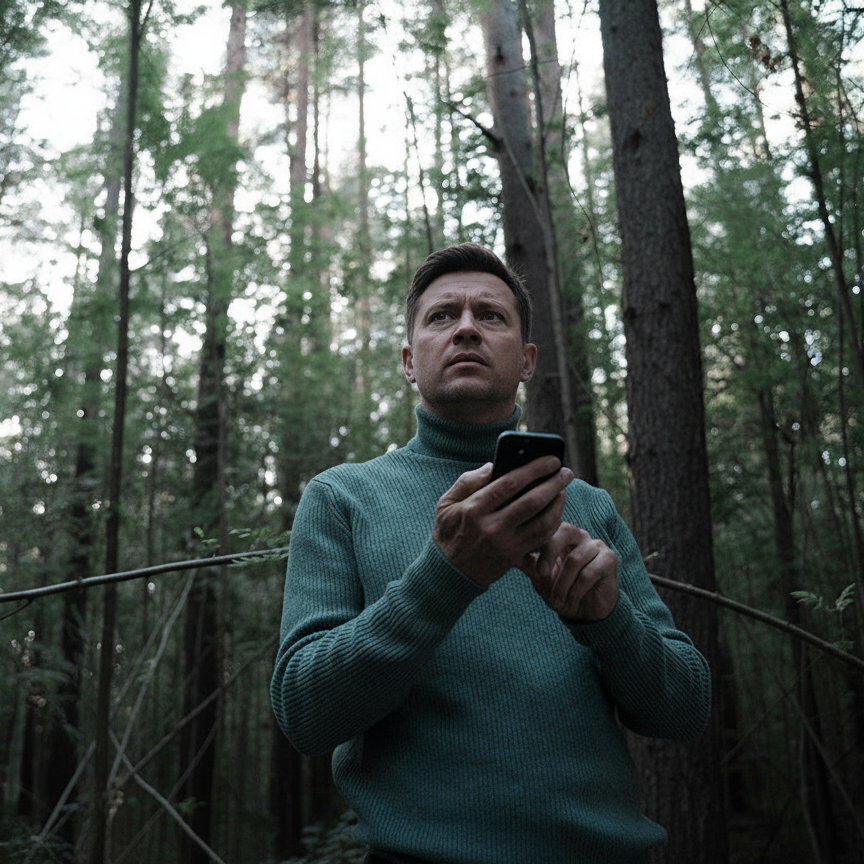
Phones help, but they're not the whole plan.
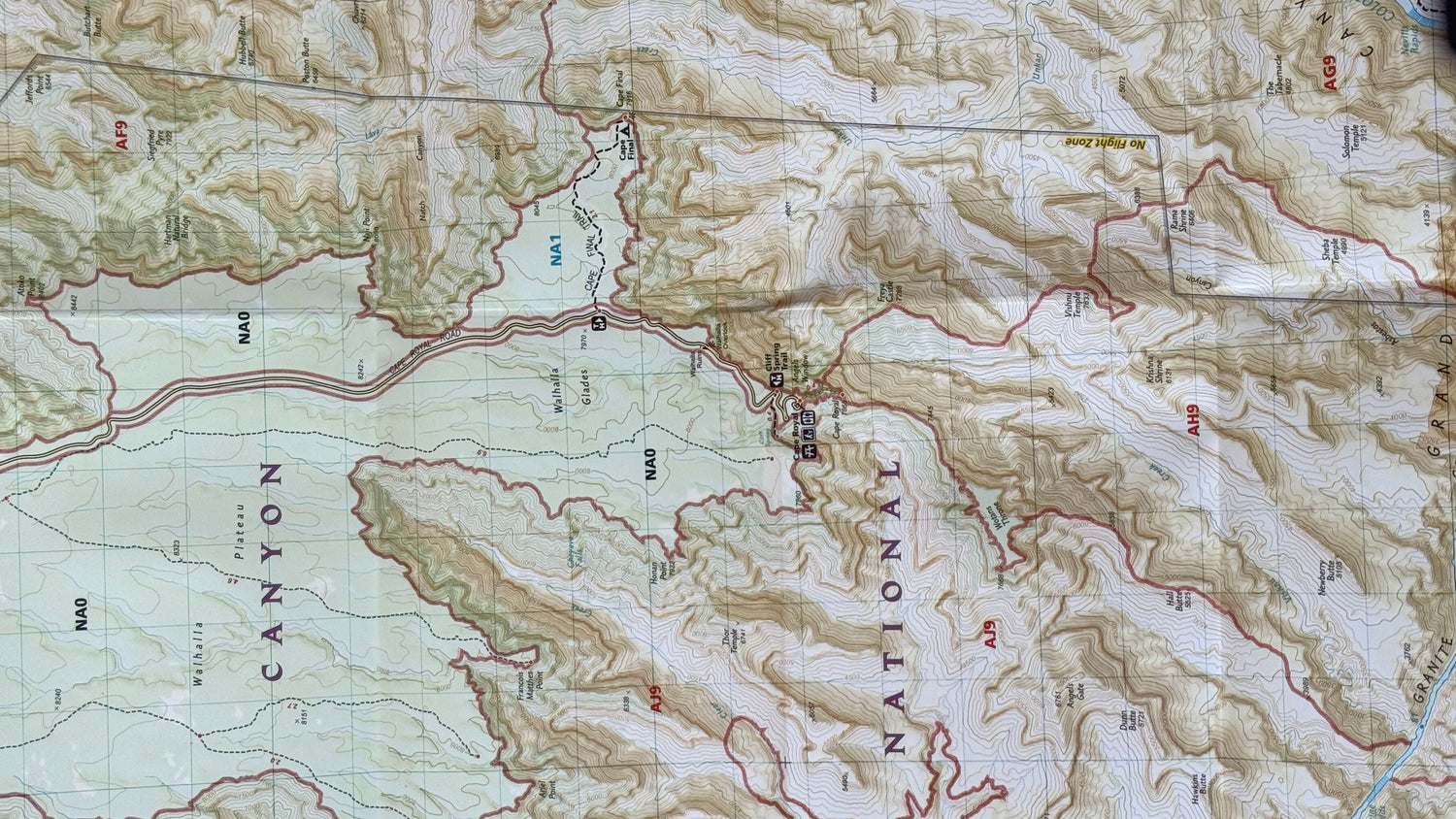
Batteries die, signals drop, and screens break. Download offline maps before you go. If the route is less established, carry a paper map too. And if there’s any chance the day runs long, bring backup power.
A charged phone is useful. A dead phone is not.
Read more: U.S. Forest Service: Maps
5. Prep for Wet Grounds

Happy trails, not perfect ones.
Spring trails are rarely clean. Expect mud, runoff, downed branches, and leftover snow in the places that don’t get much sun. Trailhead roads can be a mess too, which means the day can get complicated before the hike even starts.
A few tips:
□ Traction you trust
□ Trekking poles if the route is sloppy or uneven
□ A towel or wipes in the vehicle
□ A dry layer waiting for you after
(That last one gets overlooked a lot when it shouldn’t.)
Read more: U.S. Forest Service: Safety
6. Tell Somebody Where You'll Be

Not in vague way. In a useful way.
Leave the route, trailhead, expected return time, and who to call if you don’t check in. Search and rescue advice stays boring because boring advice works. Share the plan before you go.
Read more: U.S. Forest Service: If You Get Lost
7. Fix Your First Aid Kit to Handle Real Problems

A lot of first aid kits look better than they perform.
For spring, pack for the stuff that tends to go wrong first: blisters, cuts, irritation, headaches, and the small problems that get worse when you are still miles from the trailhead. Tape, bandages, blister care, tweezers, pain relief, and a whistle all earn their place.
Throw in a few repair items too. Zip ties and tape are not exciting, but they get the job done.
Read more: American Red Cross: Hiking & Backpacking First Aid Kit Checklist
8. Carry Small, Compact Gear

Easy to pack. Easy to overlook. Good to have when you need one.
A compact multi-tool is not the main event. It is there for the small problems spring likes to surface: loose gear, slippery surfaces, quick fixes, and the little failures that get bigger once you're in it.
Lucky Jack's Adventure Cards fit naturally in the mix because they're credit card-sized, multi-tool powerhouses. Made for camping, emergency prep, EDC, and general outdoor use. Not hero gear. Backup gear.
Read more: Lucky Jack Adventure Cards
The Spring Gear Prep Checklist
Before your next trip, run this list:
□ Check boots, shell, pack, and headlamp
□ Replace dead batteries
□ Refresh first aid kit
□ Pack dry socks
□ Download offline maps
□ Bring backup fire starter
□ Carry a knife or multitool
□ Add emergency blanket or bivvy
□ Check weather and trail conditions
□ Check trailhead road access
□ Tell someone your plan
□ Pack layers for colder-than-expected conditions
□ Bring extra water and quick calories
Helpful Links
If you want to check conditions, review the basics, or tighten up your spring setup before heading out, these are worth bookmarking.
• U.S. Forest Service: Know Before You Go
• U.S. Forest Service: Hiking Safety
• U.S. Forest Service: Safety and Outdoor Tips
• U.S. Forest Service: Outdoor Safety
• National Park Service: The 10 Essentials
• National Park Service: Before the Trip
• NOAA: Outdoor Weather Safety
• American Red Cross: Hiking & Backpacking First Aid Kit Checklist
Want More Content Like this Sent to Your Inbox?


Leave a comment
All comments are moderated before being published.
This site is protected by hCaptcha and the hCaptcha Privacy Policy and Terms of Service apply.