


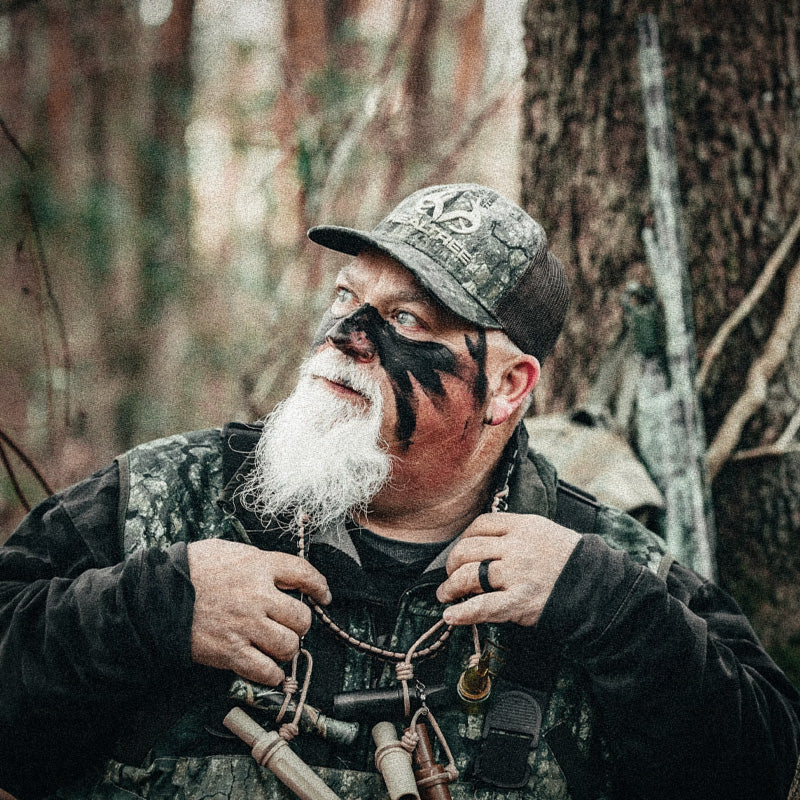
The big stuff is usually easy to remember. It’s the dull knife, dead headlamp, half-empty first-aid kit or busted pack buckle that gets noticed once you’re already away from the truck.
This hunting checklist focuses on the small gear checks that are easy to skip. Spend a few minutes on them before your next hunt and you’re less likely to discover a problem when you’re already in the field.

Pre-Hunt Checklist at a Glance
1. Check the Edge on Your Knife
Take a look at the knife you actually plan to carry. Check the edge for dull spots, chips or damage and sharpen it before it goes in the pack.
A compact sharpener like the Lucky Jack Edge Card gives you a way to touch up an edge in the field, but home is a better place to find out your knife needs work.
2. Turn On Every Light
Don’t just check that the flashlight is packed. Turn it on. Do the same with your headlamp and backup light.
Replace weak batteries or charge rechargeable lights before leaving. The National Park Service Ten Essentials recommends a flashlight or headlamp and extra batteries.
3. Open Your First-Aid Kit
First-aid supplies disappear a piece at a time. Open the kit and see what is actually left. Replace used, damaged or expired supplies and make sure any personal medications you need are there.
The NPS recommends adjusting a first-aid kit to the trip and your medical needs. The Life Line Adventure Card can add compact backup supplies to a pack or glove box, but it is not a replacement for a full kit appropriate for the trip.

4. Check Your Fire-Starting Gear
Make sure your lighter works, matches are dry and you know how your backup fire starter operates. The Emergency Fire Starter + Whistle combines a ferro rod, striker, cotton tinder and whistle in one compact tool.
Before using any fire-starting gear, check the rules for the land you’re hunting. The National Park Service recommends knowing local fire-use regulations before heading out.
5. Check the Pack Before You Fill It
Look over the shoulder straps, stitching, buckles and zippers. Pay extra attention to anything that has already been repaired or has seen a lot of use.
A small repair kit can help with minor gear problems. The NPS Ten Essentials includes items such as duct tape, a knife, multi-tool and scissors.
6. Pack for the Weather You’re Actually Getting
Check the forecast for where you’ll actually be hunting, then make sure the right layers, rain gear, gloves and other clothing made it into the pack.
The U.S. Forest Service hunting guidance recommends checking weather reports, preparing for changing conditions, dressing in layers and bringing rain gear.
7. Make Sure You Know Where You’re Going
Look over the area before you leave. Download offline maps if you use them and charge your phone or GPS. If you carry a paper map and compass as backup, make sure they made it into the pack too.
The Forest Service advises hunters to be familiar with the area, while the NPS recommends knowing how to use your navigation tools and carrying a physical map as backup.

8. Double-Check Food and Water
Make sure you have enough food and water for the trip, with some extra in case the day runs longer than planned.
The National Park Service recommends carrying extra food and planning water for the conditions and activity ahead.
And make sure lunch made it into the pack instead of staying on the kitchen counter.
9. Get the Truck Squared Away
Check the fuel, tires, spare and jack. Keep a flashlight, phone charger, water and basic roadside supplies in the truck.
NHTSA roadside guidance recommends checking tires and carrying items including a phone charger, flashlight, tire-pressure gauge, jack, water and basic repair tools.
The truck doesn’t need to be a rolling survival bunker. It just needs to get you there and back.

10. Do One Last Check Before You Pull Out
Check the weather, access conditions and fire restrictions one more time. Make sure your phone is charged and the gear sitting beside the door actually made it into the truck.
Most importantly, tell someone where you’ll be hunting and when you expect to return. That recommendation comes directly from the U.S. Forest Service hunting guidance.
A few minutes at home beats finding the problem when you’re already miles from the truck.
Check It Here, Not Out There
A pre-hunt check doesn’t need to take all afternoon. Turn the lights on. Open the first-aid kit. Look over the pack. Check the weather, route and truck.
Most of these jobs take a minute or two. That’s the point.
Hunting Checklist Questions
What should I check before a hunting trip?
Start with the gear you’ll depend on most: knife, lights, first-aid supplies, fire-starting gear, pack, clothing, navigation, food, water and vehicle equipment. Then make one final check of weather and access conditions before leaving.
What should be on a basic pre-hunt safety check?
Official outdoor guidance emphasizes working illumination, appropriate clothing, first-aid supplies, navigation, food, water and awareness of current conditions. The exact gear should be adjusted for the location, weather, duration and type of hunt.
Should someone know where I am hunting?
Yes. The U.S. Forest Service recommends telling someone where you will be hunting and when you plan to return. That gives responders a place to start if you become lost or injured.
Official Safety & Preparedness Sources
Shop This Post

The Edge Card
Pocket-sized sharpening card for quick blade touch-ups.
$22.00
Shop now →
Life Line Adventure Card
Wallet-sized first-aid kit for compact backup carry.
$22.00
Shop now →
Emergency Fire Starter + Whistle
Ferro rod fire starter with tinder and emergency whistle.
$28.00
Shop now →


Leave a comment
All comments are moderated before being published.
This site is protected by hCaptcha and the hCaptcha Privacy Policy and Terms of Service apply.