


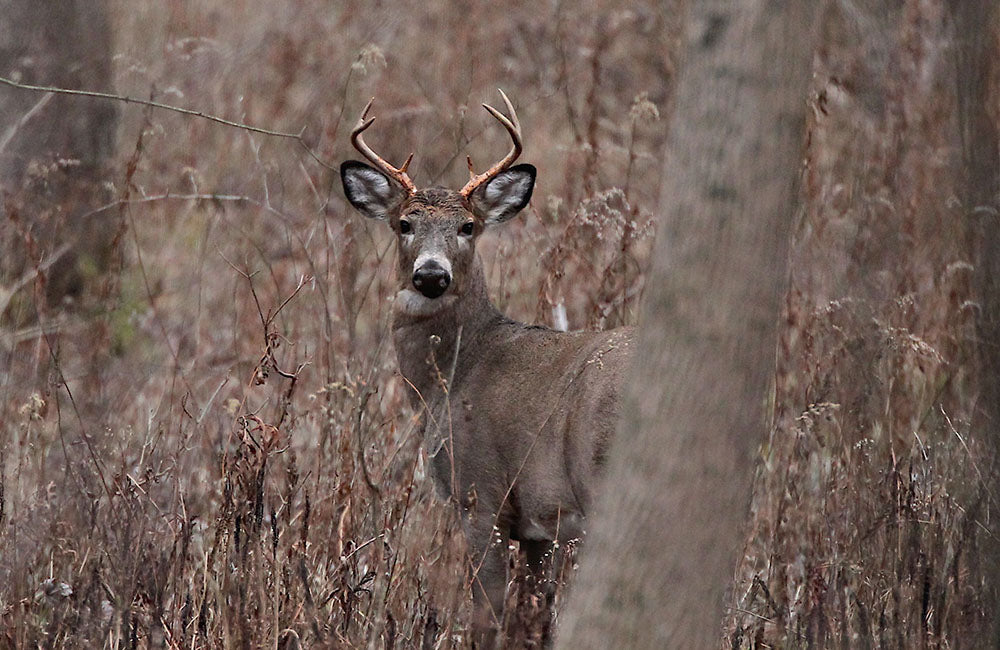
The Local Guide and I reached the cabin at dusk, wet to the knees and still without a deer. He put supper on while I split kindling and stacked tomorrow’s wood beneath the eaves.
He glanced at the pile.
“That’ll save us a cold start.”
After supper came one of those deer camp traditions: spreading a map across the table and retracing the day’s hunt. I pointed out the ridge I’d walked. He tapped a low gap between two ridges where we might find deer in the morning.
My socks were drying by the stove. We had dry wood and a plan for morning.
I’d come for the hunting. I was already hoping to be invited back.
Signing off,


Deer camp traditions grow from shared meals, useful chores, and time together. These five rules cover what earns a place in camp—and how to leave it ready for the next arrival.
Rule 1: Pack light and pack smart
Before anything goes in the truck, ask what’s already at camp and what everyone else is bringing. Coordinate shared cookware, tools, and food. Give each person a job before departure.
Trim duplicate gadgets before essential supplies. Warm layers, rain protection, navigation, a headlamp, first aid, extra food, water, and emergency shelter belong in your planning. The National Park Service’s Ten Essentials is a useful starting point for the gear you carry away from camp.
Plan water for drinking, cooking, washing, and cleanup based on your group size, trip length, and available supply.
For Adirondack deer hunting, check New York’s current hunting regulations and requirements for your specific location, season, and equipment.
Pack according to how you’ll reach the cabin. A heavy skillet may suit a truck-access camp; a long carry calls for different choices. Keep frequently used gear accessible, and agree on where shared equipment lives.
Tell someone your route and expected return time, as NPS recommends. A quieter weekend doesn’t require giving up your means of communication.

Rule 2: One tool for many jobs
The drawer of gadgets can stay home. Choose tools for the small jobs you actually expect: trimming cord, cutting packaging, touching up a knife, or fixing loose camp hardware.
Lucky Jack Adventure Cards offer different functions. The Edge Card handles knife touch-ups. The Wild Card combines a pop-out saw, blade, and arrowhead. Match the card to the job instead of assuming every model does everything.
Keep a dedicated field knife for dressing game, and pack the right maintenance tools for your hunting equipment.
Learn the tools before the trip and keep sharp components secured between uses. The five hunting cards in the sidebar cover different needs; choose the functions that complement your kit.

Rule 3: Camp chores are a skill
Learn a few knots well enough to secure a tarp or drying line and release them afterward. Take responsibility for a chore without waiting to be asked.
Prepare kindling while there’s daylight. The Coyote Camp Axe belongs with the wood-processing gear. The Fix-It Carabiner brings screwdrivers and a locking blade to small repairs.
Check local fire restrictions before lighting an outdoor fire. Keep it attended and extinguish it completely before leaving or sleeping; follow the NPS campfire guidance.
Field-dressing preparation starts before the hunt. Organize a sharp knife, disposable gloves, clean supplies, and a way to cool and transport the meat. Wash your hands and clean your tools after handling game. Penn State Extension recommends prompt field dressing and cooling the carcass quickly to 35–40°F.
Give newcomers a useful job and explain it. Helping with supper or stacking wood is an easy way to become part of camp.

Rule 4: The fire is the meeting room
Keep meals manageable. An opening-night pot of chili or venison stew gives everyone something to gather around. Plan around shared ingredients, portion food at home, and divide cooking and cleanup. Leave a simple backup supper for the evening nobody feels like cooking.
Freeze cooked meals ahead and keep them properly chilled. Use refrigerator-thawed portions within three to four days and reheat leftovers to 165°F, following USDA guidance on leftovers.
Frozen meals still need temperature control. Keep perishables at 40°F or below and raw meat separate from ready-to-eat food, following USDA outdoor food-safety guidance. Use a cooler thermometer rather than guessing from the weather.
Make room for the hunting camp traditions your group enjoys: morning coffee, cards after dinner, a map on the table, or a camp notebook recording the weather, routes, meals, and memorable moments. A first deer can earn a photograph and a page in that notebook.
If a flask gets passed around, wait until hunting is finished and firearms are unloaded and securely stored. Never drink before or while handling firearms or archery equipment; hunter-education guidance makes that separation clear.
Leave time for people to talk. The guy who came mostly for camp should have something to look forward to, too.

Rule 5: Leave it better
Keep a trash bag handy throughout the stay. Before leaving, check beneath bunks, around the woodpile, and along the route to the water.
Pack out food scraps, wrappers, cord offcuts, and spent cases. Don’t burn trash. Where there’s no designated wastewater facility, Leave No Trace advises straining dishwater and scattering it at least 200 feet from water sources; pack out the food particles.
Clean shared cookware, return tools, and leave a note about anything broken or running low.
At an established cabin, leave dry kindling if the owner welcomes it. Source wood locally and follow New York’s firewood transport rules.
Leave the next group a place they can settle into.


Leave a comment
All comments are moderated before being published.
This site is protected by hCaptcha and the hCaptcha Privacy Policy and Terms of Service apply.