


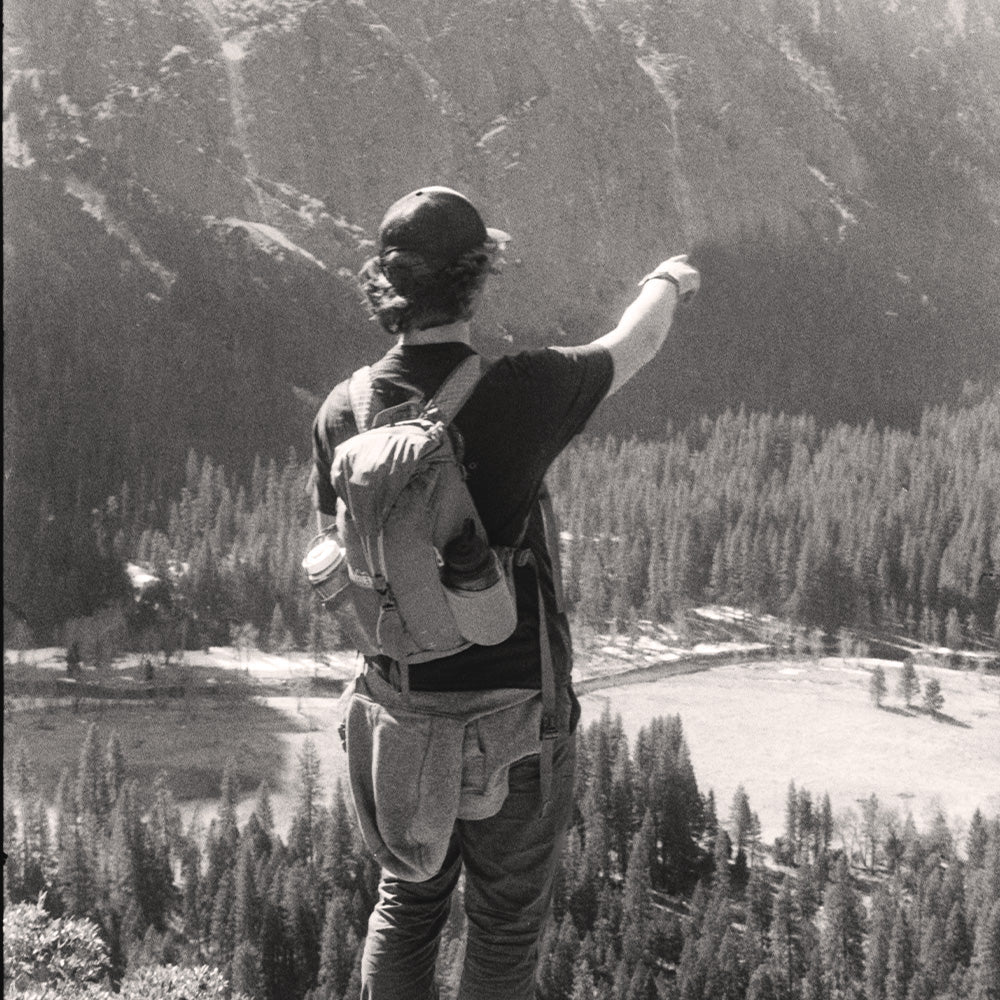
Ultralight backpacking has a way of making you question everything in your pack. At home, an extra tool seems harmless. On the trail, it rides up every hill with you, and after enough miles even small pieces of gear start looking like they need to explain why they came along.
That is the part of ultralight backpacking gear that makes sense to us. It is less about chasing the smallest possible number on a scale and more about carrying deliberately. A tool should have a job. If the route does not call for it, it can stay home.
Adventure Cards fit into that idea as optional, trip-specific tools, not as substitutes for essential backcountry equipment. Before trimming a pack, start with the important stuff: where you are going, what weather is coming, where water is available, what regulations apply, and what happens if the trip runs longer than expected. The National Park Service Trip Planning Guide is a solid place to start.
A note before we start: Adventure Cards are supplemental tools. They are not substitutes for navigation, first aid, emergency shelter, hydration, illumination, weather protection, or the other core systems recommended for backcountry travel. Review the National Park Service Ten Essentials and carry whatever additional equipment your route and conditions require.

Small Gear Still Has to Earn Its Place
One of the easiest ways to overpack is to tell yourself something is too small to matter. A tool goes in one pocket, a backup disappears into another, and a little fishing tackle finds its way into a pouch. None of it seems excessive on its own, but enough harmless additions can quietly become an entire second kit.
A better ultralight backpacking gear list starts with the trip rather than the gear closet. The U.S. Forest Service recommends planning around the route, terrain, available time, conditions, and emergency preparation before heading out. Its hiking safety guidance is worth reading before deciding what can be trimmed.
That is also the right way to look at Adventure Cards. You may have a reason for several of them. You might only want one. Some trips may not call for any. There is no prize for fitting the entire collection into your pack.
We are also not going to claim these cards remove some magical number of ounces from your base weight. Their stronger argument is simpler: they keep certain occasional tools compact and organized without pretending every possible trail problem deserves a larger dedicated piece of equipment.
Four Cards That Show the Idea
Pocket Tomahawk: When Small Camp-Wood Jobs Are on the Plan
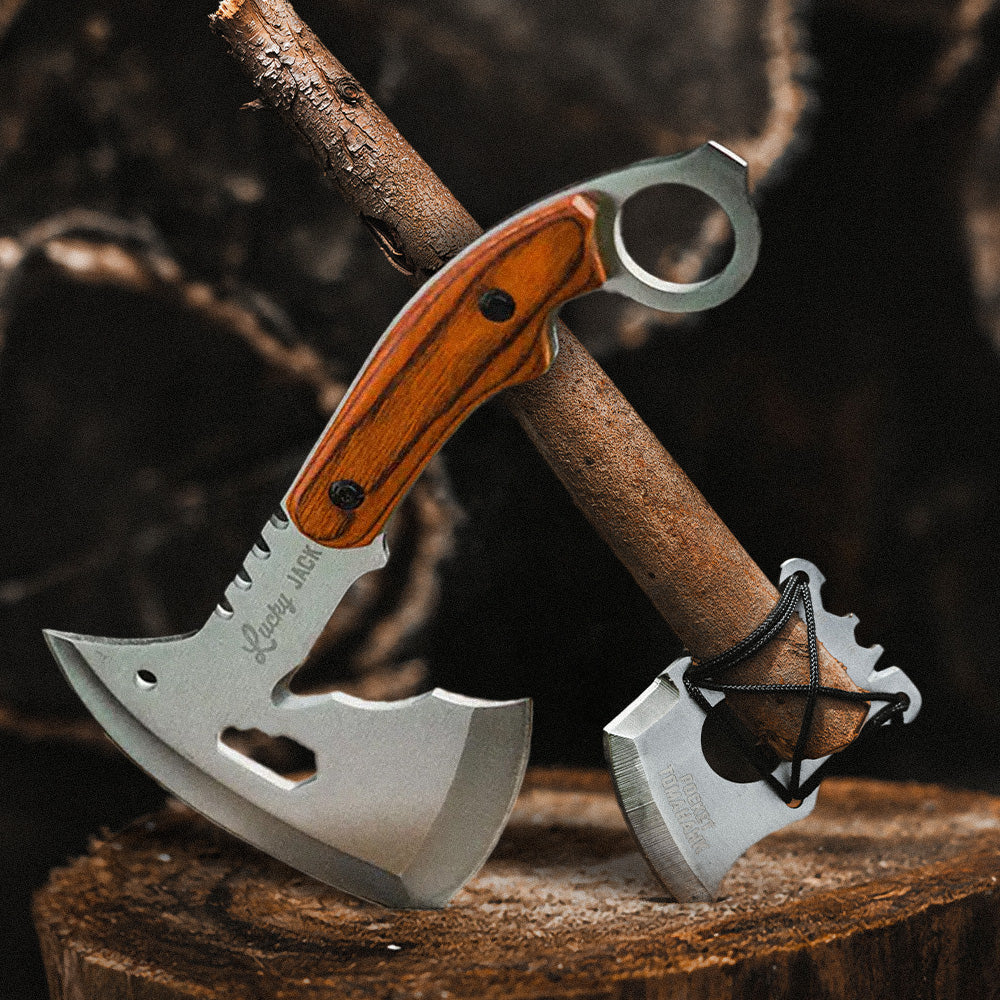
The Pocket Tomahawk is one of the more specialized cards in the lineup. It has a sharpened steel edge with paracord and is intended for lighter camp jobs such as kindling, tinder preparation, small branches, and other work where carrying a larger chopping tool may be more than the trip calls for.
That does not make it a substitute for a proper axe when serious wood processing is on the agenda. If you are setting up basecamp and expect repeated chopping, bring the tool made for repeated chopping then I would recommend our Coyote Camp Axe which is still lightweight coming in at 9oz.

Fishing Hooks Card: For the Water You Didn't Plan the Trip Around
Fishing gear has a habit of multiplying. A few hooks become weights and lures, then spare tackle gets added because it hardly takes up any room. Before long, you are hauling fishing equipment on a trip that was never really supposed to be about fishing.
The Fishing Hooks Card takes a different approach. It keeps fishing components together in a wallet-sized format for backup or opportunistic angling. If fishing is the entire reason for the trip, bring proper fishing equipment. If the route passes fishable water and you simply want a compact option available, the card has a clearer reason to come along. Always check the regulations for the specific water before fishing.

Grizzly Card: For the Job You Didn't Put on the List
The Grizzly Card is less specialized. Its removable stainless-steel components are kept together on magnetic backing and are intended for small field jobs and quick repairs.
Instead of replacing one obvious large tool, the Grizzly addresses a different source of pack clutter: all the little things brought "just in case." Its strongest argument is consolidation. Several small options remain together rather than becoming a handful of loose pieces drifting through different pockets of the pack.

Stinger Card: Another Compact Option for Field Tasks
The Stinger Card covers similar ground. Its removable components are intended for cutting, small repairs, and general field tasks while remaining together in a compact card format.
There is enough overlap between the Grizzly and Stinger that carrying both should be a decision, not a default. Compare the components and choose the one that makes more sense for what you expect to encounter. Carrying overlapping tools simply because both are small is still overpacking.

Which Adventure Card Belongs in Your Pack?
The Adventure Card lineup covers camp meals, wood work, fishing, repairs, and other field jobs. That does not mean all of them belong in an ultralight backpack. Think of the table as a menu: start with the route, choose the jobs that are reasonably likely to come up, and leave the rest behind.
| Adventure Card | Why You Might Pack It | What It Shouldn't Replace |
|---|---|---|
| Pocket Tomahawk | Kindling and smaller camp-wood jobs where fires and wood gathering are permitted | A proper axe for sustained chopping or required fire and emergency equipment |
| Mini Mess Kit | Fork, spoon, and bottle opener for trail meals | Cookware, a stove, or food-preparation equipment |
| Pocket Handy Saw | Cutting small limbs and occasional wood-processing jobs | A full-size saw for repeated or heavy wood cutting |
| Wild Card | Small cutting, carving, and improvised field tasks | Dedicated tools required for planned work or essential safety equipment |
| Tactical Card | Quick cutting, prying, trimming, and small adjustments | A dedicated repair kit or essential emergency equipment |
| Glow Grip Card | Low-light visibility for finding or handling small equipment | A headlamp, flashlight, or primary illumination source |
| Fishing Hooks Card | Backup or opportunistic fishing when the route passes fishable water | A complete tackle setup when fishing is the purpose of the trip |
| Pocket Caster Card | Compact backup angling with line, hooks, and casting points | A conventional rod-and-reel setup for a dedicated fishing trip |
| Grizzly Card | Quick repairs, cutting, and miscellaneous field tasks | First aid, navigation, or other essential backcountry systems |
| Tinder Scraper Card | Preparing dry tinder and scraping or descaling fish | An ignition source or complete fire-starting system |
| Talon Card | Small sawing, line cutting, and removable point tools for field tasks | Dedicated cutting equipment or essential emergency gear |
| Emergency Sew It Up Card | Small clothing and equipment repairs with needles, buttons, and thread | First-aid sutures or medical equipment |
| Pocket Hunter's Card | Removable points for improvised outdoor field setups | Planned hunting equipment or an emergency food plan |
| The Hombre Card | Food prep, cutting cordage, and other small camp jobs | A full camp kitchen or dedicated cutting tools for larger jobs |
| Frog & Fish Gigging Card | Removable points for legal frog hunting or fish gigging | A complete fishing or hunting setup |
| Arrowheads Adventure Card | Removable steel points for improvised field tools where appropriate | Purpose-built hunting equipment or essential safety gear |
| Stinger Card | Cutting, small repairs, and miscellaneous field tasks | Essential safety equipment or a dedicated repair kit when one is required |
The point of seeing the lineup is not to build a seventeen-card backpacking kit. It is the opposite. A route with lakes may give the Fishing Hooks Card or Pocket Caster a job. A wooded trip may justify the Pocket Tomahawk or Handy Saw. A Grizzly, Stinger, or Sew It Up Card might make more sense when small equipment repairs are the concern. Some cards have no reason to come at all.
That is the comparison worth making: not how many Adventure Cards fit in your pack, but which ones solve a problem you are reasonably likely to encounter without replacing the safety equipment you should already be carrying.
Build the Toolkit Around the Route, Not the Product
Imagine a dry route with no fishing planned and a fire restriction in place. There is little reason to carry the Fishing Hooks Card or Pocket Tomahawk simply because they are compact. Depending on the equipment you are carrying, the Grizzly or Stinger might have a job, or you might decide neither one does.
Change the route and the answer changes. A legal campfire in wooded country gives the Pocket Tomahawk a reason to be considered. A trail following a chain of lakes gives the Fishing Hooks Card a clearer purpose. A longer trip where minor equipment problems would be harder to deal with makes one of the multi-tool cards easier to justify.
This is where ultralight preparation and safety should agree rather than compete. The National Park Service recommends checking the Ten Essentials and carrying additional gear appropriate to the activity and conditions. Trimming your pack should happen after that planning, not instead of it.

Carry What the Trip Calls For
Ultralight backpackers get teased for worrying about fractions of an ounce, but there is a sensible idea underneath it all: anything riding on your back should have a reason to be there. The trick is knowing the difference between optional weight and preparedness.
Navigation, first aid, emergency shelter, hydration, illumination, weather protection, food, and the other essential systems are not where we suggest getting clever with substitutions. Adventure Cards belong in the layer after that. They are compact tools you can add when the route gives them a specific purpose.
The Pocket Tomahawk comes because the trip includes small camp-wood jobs. The Fishing Hooks Card comes because there is water ahead and you want the option to fish. The Grizzly or Stinger comes because its particular set of tools makes sense for what you are carrying and where you are going. Sometimes the right answer is leaving all of them at home.
That is a better way to build an ultralight backpacking toolkit. Start with what keeps you prepared, look at the miles ahead, and then decide which optional tools have earned the ride.


Leave a comment
All comments are moderated before being published.
This site is protected by hCaptcha and the hCaptcha Privacy Policy and Terms of Service apply.